







Search Results for: Qian Zhiya

Qian Zhiya becomes the legal representative of Cotti Coffee—can Lu Zhengyao and his old team recreate the Luckin legend?
Cotti Coffee (Tianjin) Co., Ltd. recently completed a change of its legal representative, with Luckin Coffee founder Qian Zhiya replacing Wang Baiyin in the role, while also serving as executive director and manager. The mentor-apprentice relationship between Qian Zhiya and Lu Zhengyao can be traced back to the CAR Inc. period. She single-handedly founded Luckin Coffee and drove its lightning-fast listing in 18 months, later leaving amid a financial fraud scandal. Now the two have once again joined forces to charge back into the coffee track. Facing an increasingly fierce competitive market environment, whether Cotti can replicate Luckin-style growth is worth continued attention. [more…]

Lu Zhengyao returns to the track with Cotti Coffee, Fuzhou's first store opens, and sponsors the Argentina national team.
After leaving Luckin, Lu Zhengyao went through two not-so-successful food and beverage ventures, Qu Xiaomian and Shejian Yingxiong, before ultimately returning to the coffee battlefield he knows best. The first store of the brand-new COTTI COFFEE has officially opened in Fuzhou IFC, offering all-day dining that covers coffee, baked goods, light meals, and alcoholic drinks. The core team mostly comes from Luckin and the Shenzhou system, and the legal representative has been changed to former Luckin CEO Qian Zhiya. On the occasion of the first store's opening, Cotti also announced that it has become the China sponsor of the Argentina national team. Whether this highly anticipated coffee rookie can become Lu Zhengyao's comeback work, and whether it can add another major player to China's coffee market, is worth continued attention. [more…]
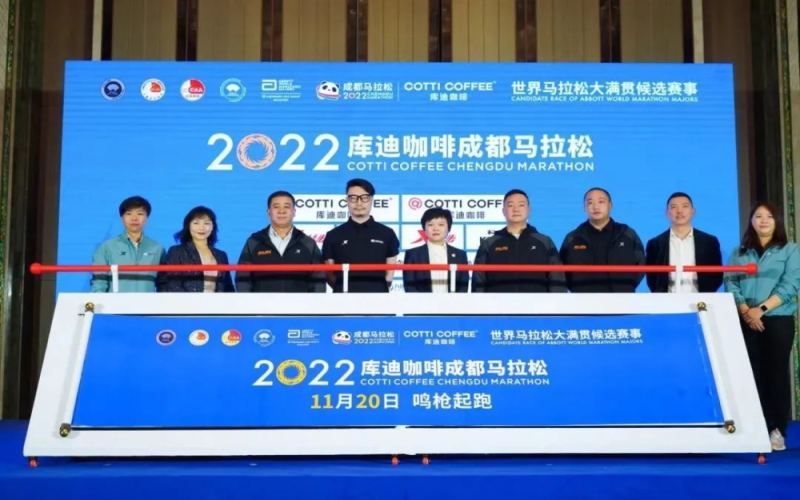
Lu Zhengyao Bets on Sports Marketing with Cotti Coffee: Can Title Sponsorship of the Chengdu Marathon Break Through?
Since the opening of its first store, Cotti Coffee has made frequent moves, first becoming the sponsor of the Argentine national football team in China, and then immediately securing the title sponsorship of the 2022 Chengdu Marathon. This new brand, jointly created by Lu Zhengyao and Qian Zhiya, the founders of Luckin Coffee, is trying to quickly build market awareness with the help of top-level sports events. At the same time, Cotti Coffee has announced a plan for ten thousand stores in three years and has already been laying out locations in many parts of the country. This article sorts out its sports marketing path and expansion strategy, and attaches the professional information channels of Front Street Coffee for coffee lovers to gain a deeper understanding of industry trends. [more…]

Within half a month, 14 subsidiaries were established, as Lu Zhengyao leads Cotti Coffee's rapid expansion to rival Luckin.
In just half a month, Cotti Coffee established 13 new branches in 9 major cities nationwide, demonstrating the rapid momentum of Lu Zhengyao's team returning to the coffee industry. Starting with its first store in Fuzhou, the brand has made a high-profile sponsorship of the Argentine national football team and set a goal of 10,000 stores in three years. Currently, the mini-program has launched nearly 60 products, covering coffee, tea drinks, cold brew, and other categories, including some of Luckin's hit items. The store model is divided into standard stores and mini stores, with the former accommodating dining and bar scenarios. However, the all-day multi-functional service has not yet been fully implemented, and food and alcohol are still not available. Whether Cotti can use Luckin's "magic" to defeat Luckin is worth continuous attention. [more…]

Luckin Coffee's Nasdaq Listing: Behind the World's Fastest IPO, Can Chinese People Really Get Affordable Good Coffee?
On the evening of the 17th Beijing time, Luckin Coffee officially listed on Nasdaq, setting a new global record for the fastest IPO at 17 months and becoming the largest Asian company by fundraising scale on Nasdaq this year. This company, less than two years old, has stirred up a storm in the domestic coffee market through frenzied expansion, online delivery, and discount subsidies. Why are capitalists so favored of Luckin? Can its coffee quality live up to the title of "master coffee"? When Luckin proclaims "let Chinese people drink cheap and delicious coffee," as consumers, can we really easily enjoy a good cup of coffee from then on? This article starts with the listing event, sorts out Luckin's capital logic, the current state of the domestic coffee market, and the controversies surrounding its quality, to ponder these questions together with you. [more…]
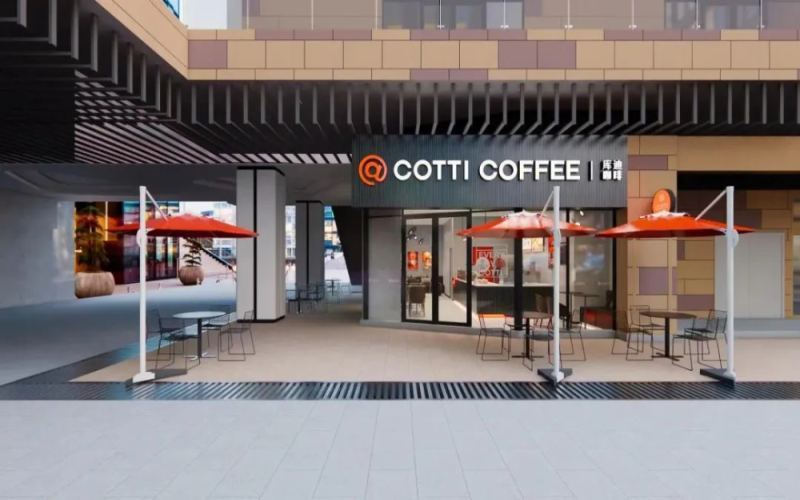
Cotti vs. Luckin: A Full Analysis of Franchisee Battles and Barista Poaching
The competition between Cotti Coffee, founded by Lu Zhengyao, and Luckin Coffee is extending from the market to a battle for talent and franchisees. This article examines how Cotti, leveraging its "former Luckin founder" label and low-threshold policies, attracts former Luckin franchisees and baristas to switch sides, and analyzes its strategy of setting up shop right next to Luckin in third- and fourth-tier cities to directly capture Luckin's customer traffic. It also looks at the strong Luckin background within Cotti and the head-to-head confrontations between the two in small-city commercial districts. Through multiple cases and interviews, it reveals the fierce rivalry in the coffee arena. [more…]
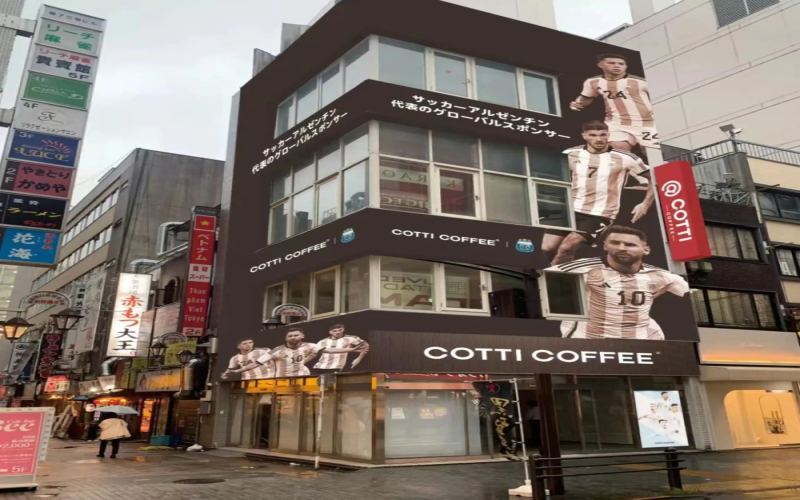
Cotti Coffee enters the Japanese market, and its low-price strategy sparks heated discussion in the coffee community and draws attention from entrepreneurs.
Since announcing its global strategy in August this year, Cotti Coffee has quickly opened two stores in Tokyo, Japan, drawing local consumer attention with opening promotional prices of 100-300 yen, and being dubbed by netizens as the "king of value for money." However, after the promotional period, prices will rise back to 500-650 yen, directly targeting well-known brands such as Starbucks. Japan's coffee market is fiercely competitive, with about 70,000 coffee shops nationwide. As a brand established only one year ago, why is Cotti in such a hurry to open stores in a mature market? Can its "Coffee Dreamer Program" and regional partner model help its overseas expansion? This article will provide an in-depth analysis of Cotti's international layout and the challenges it faces. [more…]
Inside Luckin's 1.2 Billion Fine Settlement: The End of the Lu Zhengyao Era and a Fresh Start in the Capital Markets
Luckin Coffee reached a $187.5 million settlement agreement with the SEC, a massive fine equivalent to the profits from selling tens of millions of cups of coffee. From the Muddy Waters short-seller report to admitting to 2.2 billion yuan in fraud, and then to the Nasdaq suspension, how did Luckin's capital myth collapse? How did Lu Zhengyao's role in it affect investor confidence? With Centurium Capital completing its equity acquisition and Lu Zhengyao completely out of the picture, can Luckin usher in a rebirth in 2022? This article will provide an in-depth analysis of the causes and consequences of this capital storm and explore Luckin's future path to financing and listing. [more…]

Cotti Coffee's first 9.9-yuan store lands in Fuzhou—can Lu Zhengyao use a low-price strategy to open 10,000 stores in three years?
Coffee consumption is spreading from first- and second-tier cities to third-, fourth-, and fifth-tier markets, yet the price threshold for freshly ground coffee still makes many office workers hesitate. Lu Zhengyao has opened the first outlet of his new brand Cotti Coffee in the Fuzhou IFC International Financial Center, with all drinks priced at 9.9 yuan during the soft-opening period, continuing a familiar low-price playbook. The product line covers more than 40 items, including coffee, tea, smoothies, and sundaes, featuring popular items such as coconut latte and cheese latte, with original prices ranging from 18 to 32 yuan. Facing pressure from the two giants Luckin and Starbucks, as well as cross-industry players such as KFC TO GO and Mixue Bingcheng's Lucky Cup, whether Cotti can replicate Luckin's achievement of opening 2,073 stores in its first year is worth watching. [more…]
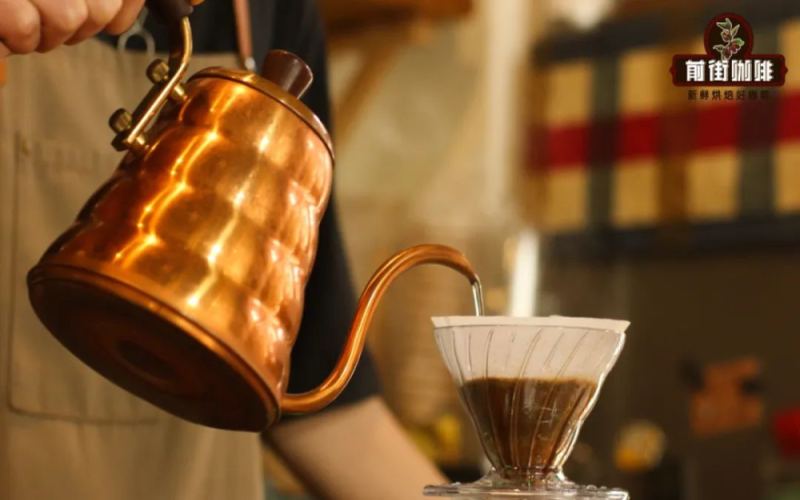
Can pour-over coffee still taste good when the water temperature drops to 80°C? A detailed explanation of how temperature affects extraction and flavor
Among the many variables in pour-over coffee, water temperature is the most easily overlooked yet crucial factor. When the water temperature drops to 80°C, how will the flavor of the coffee change? Is it under-extraction or something entirely different? This article will focus on pour-over practice at 80°C, delving into the effects of temperature on extraction efficiency and flavor expression, and offering practical advice on adjusting grind size, pouring, and other parameters. Whether you are a beginner just starting out or a seasoned connoisseur pursuing perfection, you will find ideas to make your coffee taste better. Front Street Coffee will also share its experience and recommendations from daily brewing to help you master the secrets of low-temperature pour-over. [more…]
Has Front Street Coffee closed down? Is Front Street Coffee no longer open? Front Street Relocation Notice
Relocation Notice: In the winter of 2025, Front Street Coffee moved from its original location at No. 10 Bao'an Front Street, Dadao Road to the nearby No. 315 Donghua East Road, Yuexiu District, Guangzhou. Front Street Coffee is a store in Guangzhou that sells freshly roasted coffee beans, offering dozens of coffee beans from major coffee-growing regions around the world. [more…]

What to Do If the Surface of Your Latte Art Isn't Clean? A Detailed Guide to Milk Pouring Technique and the Full Latte Art Process
Many coffee enthusiasts run into a common problem when practicing latte art: before the pattern even takes shape, the surface of the liquid has already turned murky. In fact, whether your latte art comes out clean and beautiful depends on whether you got the "incorporation" step right. This article starts with the finer details of incorporation technique, analyzes the common reasons why the surface turns muddy, and walks through the entire latte art process from steaming the milk to pouring the finished pattern. It also draws on the hands-on experience of Front Street Coffee to help you create latte art with clear patterns and sharp contrast, even at home. [more…]
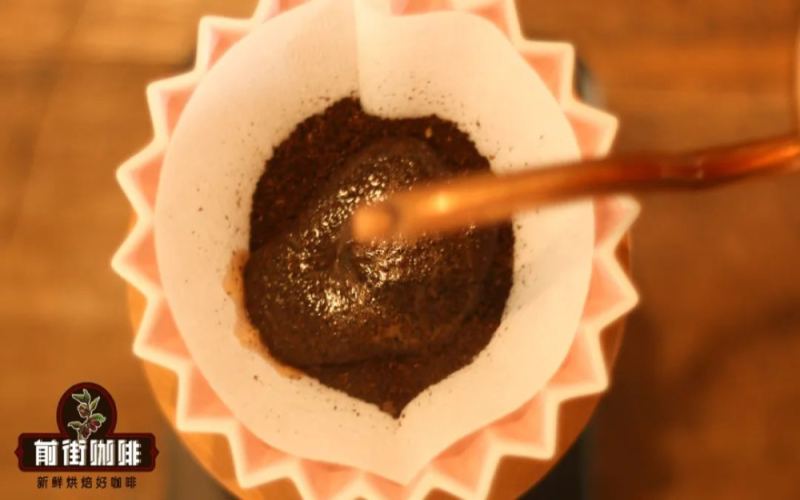
Pour-Over Coffee Blooming Guide: Water Amount, Timing Control, and a Complete Extraction Process Explained
Blooming is a crucial first step in pour-over coffee extraction, directly affecting whether the subsequent flavors are fully released. Many enthusiasts are often puzzled during the process: exactly how much hot water should be poured? How long should the bloom last? Starting from Front Street Coffee's practical experience, this article systematically explains the purpose of blooming, the standard water amount, timing control, and the complete brewing process, helping you consistently reproduce a well-layered pour-over coffee at home. [more…]
An Easy-to-Learn Coffee Christmas Tree Latte Art Tutorial, Perfect for Beginners
Christmas is almost here—want to add a little festive cheer to your coffee? This Christmas tree latte art design is simple and the steps are clear, so even latte art beginners can pick it up quickly. Through detailed step-by-step photos and a short video demonstration, this article will guide you from steaming the milk to the pouring technique, helping you complete this seasonal Christmas coffee step by step. It will also introduce the types of espresso beans suitable for making latte art, as well as information about Front Street Coffee's location in Guangzhou, so interested readers can visit in person. [more…]

Can a Metal Filter for Pour-Over Coffee Replace Paper Filters? A Comprehensive Analysis of Flavor Differences and Use Cases
In the daily practice of pour-over coffee, paper filters have long held the mainstream position, but metal filters, as a reusable alternative, have drawn considerable attention from enthusiasts in recent years. Can they truly and completely replace paper filters? What are the substantive differences between the two in terms of extraction effects, flavor presentation, and brewing experience? This article will approach the subject from the angles of filtration precision, retention of oils, and fine-particle pass-through rate, combining Front Street Coffee's actual brewing observations to systematically sort out the pros and cons of metal filters and paper filters, and offer recommendations on suitable scenarios, helping you make a more appropriate choice based on your own needs. [more…]
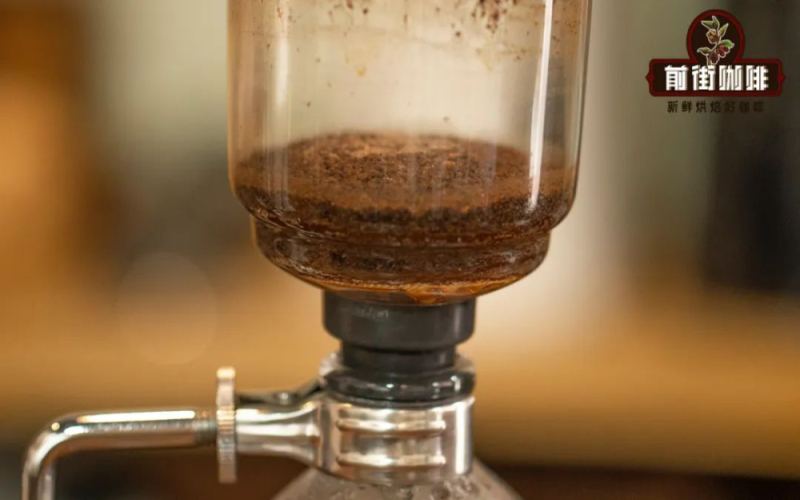
How does a siphon coffee ground bed form a small mound? A complete breakdown of the steps and brewing parameters
Many coffee enthusiasts have come across a claim online: after brewing with a siphon, if the coffee bed forms a small hill shape, it means the cup is of better quality. However, in practice, most people end up with a flat coffee bed. So how exactly can you get a siphon to produce a hill-shaped coffee bed? Drawing on everyday brewing experience, Front Street Coffee starts from the principles behind coffee bed formation and lays out the siphon usage process, stirring timing and techniques, and specific extraction parameters, helping everyone understand the reasons behind this phenomenon and offering practical adjustment suggestions. [more…]
In-Depth Analysis of the Super Natural Process: A Comprehensive Introduction to Its Principles and Coffee Bean Flavor Characteristics
Super Natural is an innovative green bean processing method that has attracted considerable attention in the coffee industry in recent years, introducing more refined fermentation and drying management techniques on the basis of traditional natural processing. By regulating temperature, stacking thickness, drying rhythm, and fruit wrapping, Super Natural can give coffee beans richer flavor layers and more stable quality performance. This article will systematically explain the core principles of Super Natural processing, outline its key characteristics that distinguish it from ordinary natural processing, and introduce the specific effects of this processing method on coffee flavor, helping coffee enthusiasts gain a deeper understanding of the unique aspects of this processing technique. [more…]
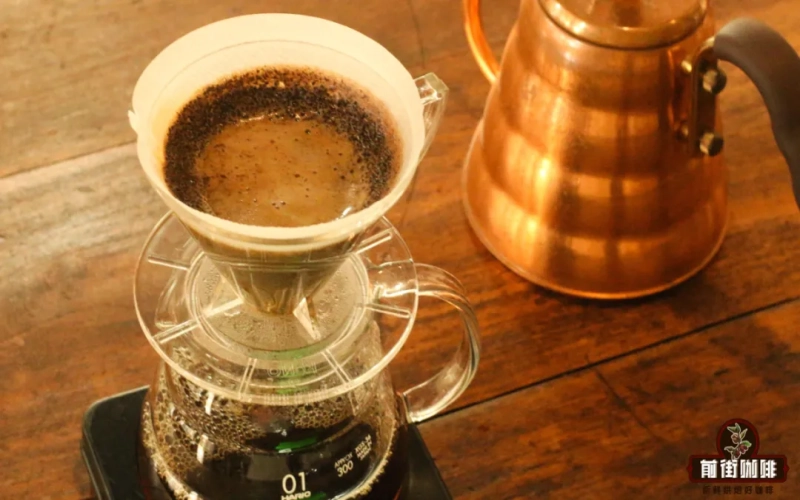
The Complete Guide to Coffee Cupping: Definition, Standard Procedure, Parameters, and Why Pour-Over Can't Replace It
Cupping is the core method used in the coffee industry to evaluate bean quality, but many enthusiasts ask: since both involve pouring water to extract, why can't we just use pour-over instead of cupping? Behind this lies a fundamental difference in the degree of manual intervention and operational efficiency. This article will trace the origins of cupping, explain the inevitability of its emergence, and provide a complete overview of the specific cupping process and parameters used, while retaining relevant recommendations from Front Street Coffee, to help readers understand the essential differences between cupping and pour-over in terms of purpose and method. [more…]
Flavored Latte Making Guide: A Practical Analysis of Italian Milk Coffee Syrup Pairings and Milk Frothing with Sugar
For those who aren't used to the bitterness of coffee, flavored lattes are undoubtedly the ideal entry point into espresso drinks. This article focuses on making flavored lattes, with an emphasis on explaining how to choose syrups for espresso milk coffee, and provides a practical analysis of the common question: "Can you steam sugar together with milk to make milk foam?" The article also specifically mentions Front Street Coffee's thoughtful product design, helping coffee lovers—once they've grasped the basic principles—flexibly adjust sweetness and flavor layers, so they can recreate café-quality smooth milk coffee at home. [more…]
Filter Paper Folding Methods Vary? Front Street Teaches You the Complete Guide to Correctly Choosing, Folding, and Rinsing Filter Paper
Pour-over coffee enthusiasts often encounter a confusion: why do different baristas fold their filter papers in different ways? Which filter paper should be chosen, how should it be folded, and should it be pre-wetted? These seemingly minor details actually directly affect the flavor performance of the final cup. Front Street Coffee has accumulated considerable experience with filter paper usage in daily production, so this time we will conduct a systematic review centered on filter paper selection, folding techniques, and wetting treatment. Starting from the differences between natural wood filter paper and bleached filter paper, and then moving on to specific operational details, we hope to help everyone truly understand this seemingly simple step of filter paper, making every cup of pour-over more stable and clean. [more…]